September 08, 2026
Article
Neurology

Advancing Alzheimer’s disease research through science, empathy, and shared purpose
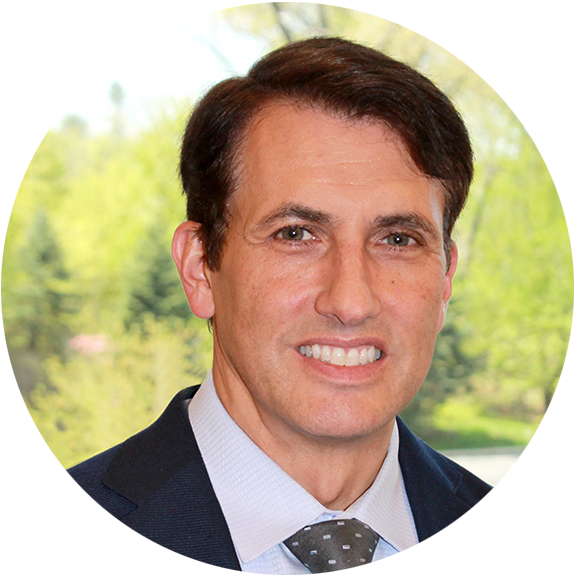
Michael Irizarry, MD, MPH
Senior Vice President, Clinical Research, Neurology
Deputy Chief Clinical Officer
Eisai Inc.
Every journey with Alzheimer’s disease (AD) is different, and no single perspective can fully capture its impact. While there are common clinical characteristics such as memory loss and cognitive decline, differences in age of onset, rate of progression, symptoms, and personal circumstances all contribute to varied lived experiences.
At Eisai, recognizing this variability and working collaboratively is foundational to how we approach AD care and research. Our efforts are guided by a deep sense of empathy and our human health care (hhc) mission, which puts patients and their families at the heart of everything we do.
Understanding Complexity, Advancing Science
Dominantly Inherited Alzheimer’s Disease (DIAD) is a rare, inherited form of AD caused by specific gene mutations that can lead to AD symptoms that tend to appear earlier in life. It is estimated that less than 1%1 of the more than 7 million Americans living with AD and related dementias2 have DIAD. In some cases, multiple generations may be affected, and individuals may face decisions about genetic testing, life planning, and participation in research. These factors highlight the continued need for scientific advancement.
For example, studying how AD could be addressed before symptoms appear is an important step toward advancing scientific discovery, offering unique insights into early disease biology and the potential role of biomarkers in diagnostics and identifying changes associated with AD.
Research initiatives such as the Dominantly Inherited Alzheimer Network (DIAN) and the DIAN Trials Unit (DIAN-TU), led by Washington University in St. Louis (WashU), are helping to advance understanding of DIAD. These efforts bring together individuals and families affected by DIAD, along with academic and industry partners, to study disease progression and evaluate investigational approaches.
Eisai’s contributions to DIAN-TU reflect our decades-long commitment to advancing AD research. We collaborate on design and execution of clinical trials that evaluate both approved treatments and those in development in individuals with DIAD. These treatments are integrated into the adaptive platform trial to test whether targeting amyloid and tau can slow or prevent disease progression.
Learning from Lived Experience
We know that research isn’t limited to the lab, which is why we live hhc every day by listening to people living with AD and their families, uncovering unmet needs, and striving to address them. This approach helps to ensure our efforts reflect real experiences, concerns, and priorities.
At the Alzheimer’s Association International Conference (AAIC) in mid-July, I had the privilege of attending the DIAD Family Conference, which is organized by WashU and DIAN for individuals and family members impacted by DIAD as a forum to learn the latest research advances, interact with researchers, and share their experiences. Their perspectives reinforced the urgency and importance of listening to those directly impacted, particularly with forms of AD that are less widely recognized.
The Power of Partnership
Experience has shown us that progress does not – and cannot – happen in isolation. At a time when scientific understanding of AD is rapidly advancing, we are engaged with industry partners, academia, advocacy organizations, and health care partners to improve the identification, screening, diagnosis, and management of AD. For example, decades of collaboration with WashU, including joint efforts through the Dominantly Inherited Alzheimer Network Trials Unit (DIAN-TU), has been pivotal in discoveries that are shaping the present and the future of AD. Recently, both our Global CEO Haruo Naito and Eisai were honored by Washington University School of Medicine for our longstanding contributions to AD research and healthcare. The recognition celebrates and highlights the impact that enduring partnerships can have in advancing scientific understanding and helping shape the future of AD research.
Guided by hhc, we continue to evolve how we approach research and development, building on our strengths while fostering collaboration and diverse perspectives – because Alzheimer’s disease matters now.
To learn more, click on the ‘Our Science’ tab at the top of the page or visit www.EisaiAD.com
US6159